
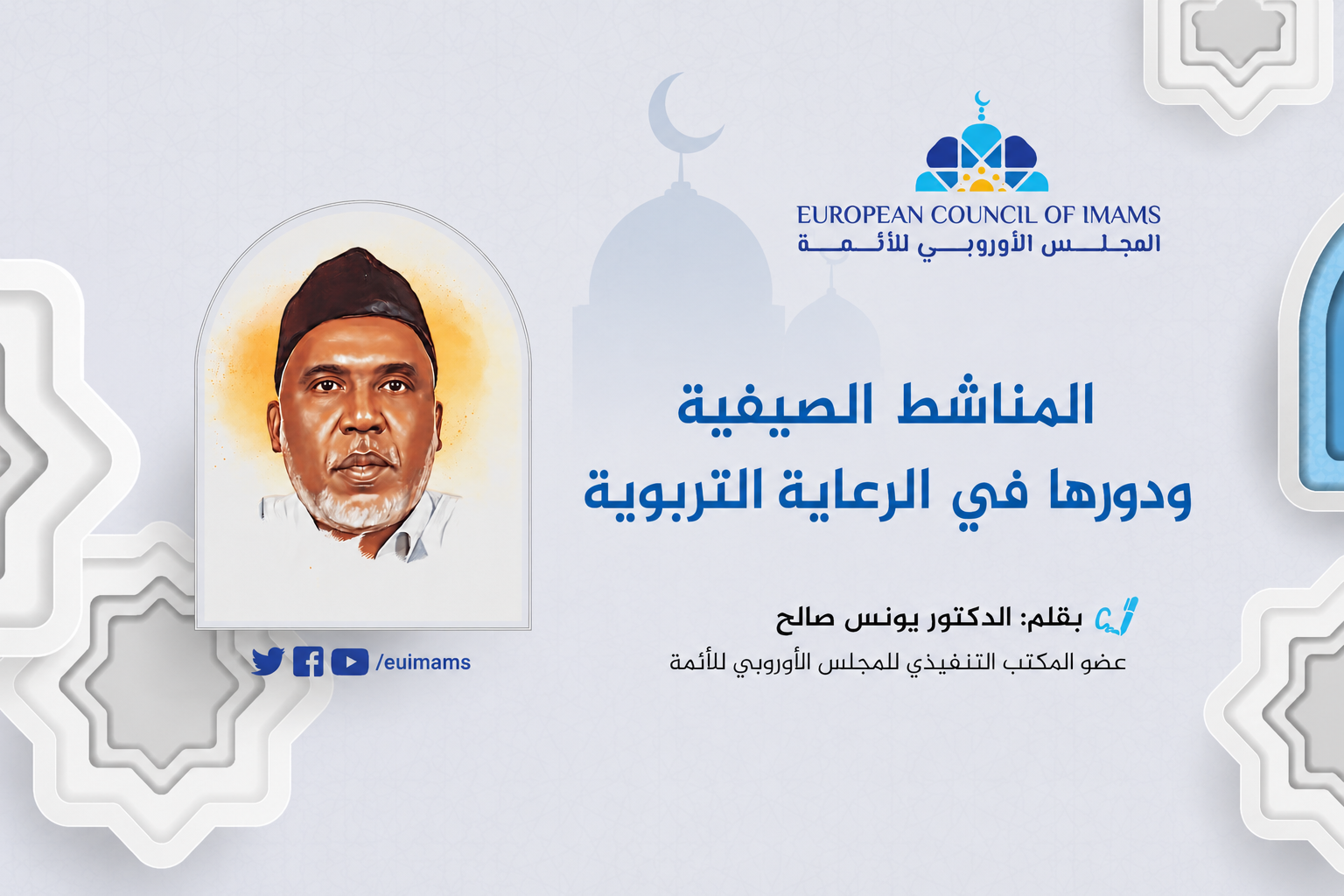
المناشط الصيفية ودورها في الرعاية التربوية

ما إن تُطوى صفحات العام الدراسي، وتُرفع الأقلام عن دفاتر المدارس، حتى تبدأ معركة من نوع آخر، ليست معركة الامتحانات، وإنما معركة الحفاظ على الإنسان، فالعطلة الصيفية ليست مجرد فسحة للراحة، بل هي ميدان واسع تتصارع فيه القيم، وتتزاحم فيه المؤثرات، وتتسابق فيه المؤسسات إلى صناعة العقول أو هدمها.
وفي أوروبا على وجه الخصوص، حيث يعيش أبناؤنا وسط بيئات متعددة الثقافات، ومتنوعة المرجعيات، ومتسارعة الإيقاع، تصبح العطلة الصيفية من أخطر الفترات التربوية، لأنها تمثل انتقالًا من بيئة منضبطة نسبيًّا إلى فضاء مفتوح لا تحده أسوار، ولا تضبطه جداول، ولا تحرسه رقابة دائمة.
ولذلك فإن السؤال الذي ينبغي أن نطرحه اليوم ليس: كيف نقضي العطلة؟ وإنما: من الذي سيصنع أبناءنا خلال العطلة؟ فالفراغ ليس حيادًا كما يتصور البعض، بل هو قوة جاذبة، لا يترك النفس ساكنة، وإنما يدفعها إلى ما يملؤها. فإن لم نملأه بالخير، امتلأ بغيره، وإن لم نستثمره في البناء، استثمره غيرنا في الهدم.
لقد أدرك الإسلام هذه الحقيقة منذ قرون، فربط بين الوقت والمسؤولية، وبين العمر والأمانة، حتى قال النبي ﷺ: "نعمتان مغبون فيهما كثير من الناس: الصحة والفراغ". (رواه البخاري). فالفراغ نعمة إذا أُحسن استثماره، ونقمة إذا تُرك بلا توجيه.
ومن هنا تبرز أهمية المناشط الصيفية التربوية، فهي ليست برامج لقتل الوقت، ولا وسائل للتسلية العابرة، وإنما هي مدارس غير رسمية لبناء الشخصية، وصناعة الانتماء، وغرس القيم، واكتشاف المواهب، وربط الأجيال بهويتهم ودينهم ولغتهم.
فالطفل الذي يتعلم القرآن في جو ممتع، ويمارس الرياضة بروح الفريق، ويشارك في الرحلات والورش الإبداعية، ويتلقى القيم من خلال المواقف العملية، يخرج من الصيف أكثر ثقة بنفسه، وأقوى ارتباطًا بدينه، وأوسع أفقًا في فهم الحياة.
إن التربية لا تنمو في قاعات الدرس وحدها، وإنما تنمو كذلك في الملاعب، والرحلات، والمخيمات، والمشروعات الجماعية، والعمل التطوعي، والمنافسات الثقافية، والأنشطة الفنية الهادفة. ففي تلك البيئات تتشكل الشخصية، وتُختبر الأخلاق، ويتعلم الأبناء القيادة، واحترام الآخرين، والانضباط، وتحمل المسؤولية.
ولذلك فإن المؤسسات التربوية الناجحة في العالم لم تعد تنظر إلى النشاط باعتباره هامشًا، بل جعلته جزءًا من صميم العملية التعليمية، لأن الإنسان لا يُبنى بالمعلومات وحدها، وإنما يبنى بالتجارب والخبرات والممارسة.
أما في واقع المسلمين في أوروبا، فإن الحاجة إلى هذه المناشط أشد وأعظم؛ لأن أبناءنا يعيشون وسط أمواج متلاطمة من المؤثرات الفكرية والثقافية والإعلامية، تتنافس جميعها على تشكيل هويتهم. ومع كل صيف تتسع مساحة هذه المؤثرات عبر الهواتف الذكية، ومنصات التواصل، والألعاب الإلكترونية، والمحتوى الرقمي الذي قد يحمل قيمًا بعيدة عن أخلاقنا وثقافتنا.
ومن هنا فإن البرامج الصيفية ليست ترفًا تنظيميًا، وإنما هي ضرورة تربوية، بل هي نوع من أنواع الحراسة الفكرية والوجدانية للأجيال.
إن المدرسة القرآنية التي تفتح أبوابها في الصيف لا تقدم درسًا فحسب، وإنما تفتح ملاذًا آمنًا. والمسجد الذي ينظم مخيمًا تربويًا لا يشغل الأطفال لساعات، بل يحمي مستقبلهم لسنوات. والمركز الإسلامي الذي يجمع الشباب على القرآن، والرياضة، والحوار، والعمل الجماعي، إنما يبني حصونًا داخل النفوس قبل أن يبني البرامج على الأوراق.
ولعل أجمل ما يمكن أن تتميز به المناشط الصيفية في أوروبا هو الجمع بين المتعة والرسالة، فلا تكون البرامج وعظًا جافًا يطرد الأبناء، ولا ترفيهًا فارغًا يفقدها رسالتها، وإنما توازن دقيق يجعل الطفل يفرح بالحضور، ويشتاق إلى العودة، ويخرج وقد ازداد علمًا، وإيمانًا، وأدبًا، ومهارة.
إننا بحاجة إلى برامج يتعلم فيها الطفل القرآن وهو يبتسم، ويكتسب اللغة العربية وهو يلعب، ويتعرف إلى السيرة النبوية من خلال المسرح والقصص، ويتذوق العمل الجماعي عبر المشاريع، ويكتشف مواهبه في الرسم، والخطابة، والبرمجة، والرياضة، والابتكار، ليشعر أن الإسلام يصنع الإنسان المتكامل، لا الإنسان المنعزل.
ولذلك فإنني أدعو المدارس القرآنية، والمراكز الإسلامية، والمساجد، والجمعيات التربوية في أوروبا، إلى إعادة قراءة المشهد بعين المستقبل، لا بعين الماضي، وإلى تجاوز البرامج التقليدية نحو مشاريع صيفية متكاملة، تستوعب احتياجات الجيل الجديد، وتخاطب لغته، وتلامس اهتماماته، وتربطه بهويته الإسلامية في إطار من الحكمة والجمال والإبداع.
إن أبناءنا اليوم لا يحتاجون إلى مزيد من المحاضرات بقدر حاجتهم إلى مزيد من القدوات، ولا إلى كثرة التعليمات بقدر حاجتهم إلى بيئات تربوية يعيشون فيها القيم واقعًا وسلوكًا.
فليكن صيفنا موسمًا لصناعة الرجال والنساء، لا موسمًا لضياع الساعات، ولنجعل من كل برنامج صيفي منارة تهدي، ومن كل نشاط رسالة تبني، ومن كل رحلة درسًا، ومن كل لعبة خلقًا، ومن كل لقاء بذرة أمل.
فالأمم العاقلة لا تترك أبناءها للصدفة، ولا تسلم مستقبلها للفراغ، وإنما تستثمر كل يوم في بناء الإنسان؛ لأنه أعظم استثمار، وأبقى أثرًا، وأصدق ربحًا.
إن المستقبل يبدأ من هذا الصيف، والجيل الذي نحسن رعايته اليوم، هو الذي سيحمل رسالة الإسلام غدًا بثقة، ووعي، وانتماء، وإبداع.
بالسداد والتوفيق د. يونس صالح
******
Summer Activities and Their Role in Educational Nurturing
As another academic year draws to a close and classrooms fall silent, a different kind of challenge begins. It is no longer the challenge of examinations, but the challenge of safeguarding the next generation. Summer is not merely a season of leisure; it is a formative period in which values compete, influences intensify, and institutions either shape young minds or surrender them to the currents of the surrounding world.
For Muslim families in Europe, this season carries particular significance. Our children are growing up in multicultural societies, surrounded by diverse ideologies, rapidly changing social norms, and an ever-expanding digital environment. During the summer months, the structured rhythm of school gives way to a wide-open landscape where guidance is often replaced by distraction, and purpose by passive consumption.
The question, therefore, is not simply how should children spend their summer? Rather, it is who will shape them during the summer?
Time never remains empty. A vacuum is quickly filled by whatever is strongest, most attractive, or most accessible. If we do not fill our children's lives with meaningful opportunities, others will readily fill that space with influences that neither reflect our values nor nurture their character.
Islam recognized this reality centuries ago. The Prophet Muhammad ﷺ reminded us that two blessings are frequently squandered: health and free time. Leisure is a blessing only when invested wisely; otherwise, it becomes a gateway through which precious opportunities quietly disappear.
This is where educational and recreational summer programmes become indispensable. They are far more than a means of keeping children occupied. They are living classrooms in which faith is strengthened, character is refined, talents are discovered, friendships are cultivated, and identity is nurtured. They provide an environment where learning is experienced rather than merely delivered.
A child who memorises the Qur'an in a joyful atmosphere, participates in sports with a spirit of teamwork, explores creativity through workshops and projects, and learns moral values through meaningful experiences returns home not only happier, but stronger in faith, richer in character, and more confident in identity.
Education has never been confined to classrooms alone. Character is equally formed on playing fields, during educational trips, in summer camps, through community service, cultural competitions, artistic expression, and collaborative projects. It is in these settings that young people learn leadership, responsibility, discipline, cooperation, resilience, and respect for others.
This understanding explains why the world's leading educational systems no longer regard extracurricular activities as optional additions. Instead, they recognise them as essential components of holistic education. Human beings are shaped not only by information but also by experience, relationships, and purposeful engagement.
For Muslim communities in Europe, the need for such programmes is even greater. Our children navigate a world saturated with digital media, social networking platforms, online gaming, entertainment, and competing philosophies of life. Every summer, these influences grow stronger, competing for their attention, imagination, and ultimately, their identity.
Educational summer initiatives are therefore not a luxury; they are a necessity. They represent a proactive investment in intellectual, emotional, and spiritual well-being.
When a Qur'anic school opens its doors during the summer, it offers far more than lessons—it provides a safe haven. When a mosque organises a summer camp, it does more than occupy children's time; it helps secure their future. When an Islamic centre gathers young people around the Qur'an, sports, dialogue, creativity, and community service, it builds inner resilience before it delivers academic instruction.
Perhaps the greatest strength of successful summer programmes lies in their ability to harmonise enjoyment with purpose. They should neither become dry lectures that alienate young people nor empty entertainment devoid of educational value. Instead, they should inspire children to participate enthusiastically while leaving each day intellectually enriched, spiritually uplifted, morally grounded, and emotionally fulfilled.
Our children deserve programmes where they learn the Qur'an with joy, discover the beauty of the Arabic language through interactive activities, explore the life of the Prophet through storytelling and creative performance, develop leadership through teamwork, and uncover their talents in art, public speaking, technology, science, sports, and innovation. In doing so, they experience Islam not merely as a collection of teachings, but as a comprehensive civilisation dedicated to cultivating balanced, confident, and compassionate human beings.
For this reason, I sincerely call upon Qur'anic schools, Islamic centres, mosques, educational institutions, and community organisations throughout Europe to reconsider the educational landscape with a forward-looking vision. The time has come to move beyond traditional seasonal programmes and develop comprehensive summer initiatives that speak the language of today's youth, respond to their aspirations, and strengthen their Islamic identity with wisdom, creativity, and excellence.
Our children need more than instructions; they need inspiring role models. They need more than information; they need nurturing environments where values are lived, relationships are cultivated, and faith becomes a vibrant part of everyday life.
Let this summer become a season for building future leaders rather than merely passing time. Let every programme become a beacon of guidance, every activity a lesson in character, every journey an opportunity for reflection, every game a means of developing noble conduct, and every gathering a seed from which hope may flourish.
Nations that aspire to a meaningful future never leave the upbringing of their children to chance, nor do they surrender their most valuable generation to the emptiness of unstructured time. Instead, they invest intentionally in the development of young people, recognising that no investment yields greater or more enduring returns than the cultivation of principled, capable, and compassionate human beings.
The future begins this summer. The generation we nurture today will become the generation that carries the values of Islam tomorrow—with confidence, wisdom, integrity, and excellence.
- الكلمات الدلالية
- الصيف
- أنشطة صيفية
- تربية الأبناء
- التربية
 د. يونس محمد صالح الزلاوي